




What a flocculant is
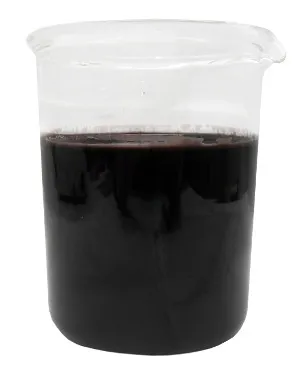
A flocculant (coagulant) binds fine suspended solids in the water so that they aggregate into larger particles that can be separated easily. These suspended solids can be sludge, paint particles, algae, bacteria or other organic and inorganic substances.
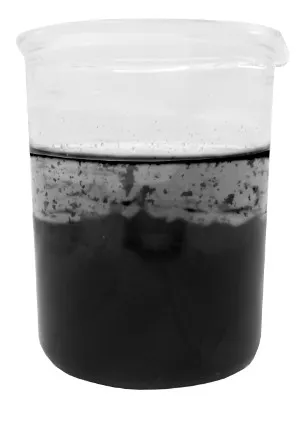
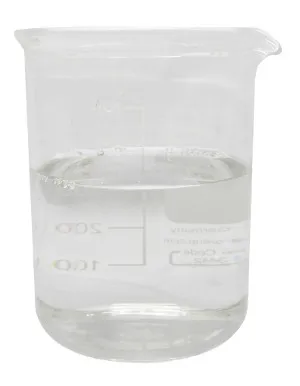
The flocculant is added to the wastewater and distributed evenly by stirring. It destabilises the fine particles, which then combine to form flocs. These flocs are subsequently removed by sedimentation or filtration, leaving clarified water.
There are inorganic flocculants such as aluminium sulphate and iron salts, and organic ones such as polyacrylamide. Which product is suitable depends on the constituents of the wastewater and on the treatment process.
How flocculation works
- Coagulation: The flocculant neutralises the charge of the suspended particles. They no longer repel each other and begin to aggregate.
- Flocculation: Many small particles form larger flocs.
- Sedimentation: The flocs are heavier than water, sink and form sludge.
- Filtration: The water is passed through filters that retain the remaining fine particles. The sludge is dewatered in filter bags.

The right product for your wastewater
Every wastewater has a different composition, so there is no single flocculant for every case. We supply universal flocculants for contaminated rinsing water and wastewater from all industries, from standard splitting agents to specially developed high-performance splitting agents.
- Free analysis
- We analyse your wastewater sample and select the right product
- Sample for testing
- You test the flocculant under real conditions on your own site
- Matched to your system
- Dosage and process to suit your wastewater treatment system