





Whether it is rinse water from the paint shop, emulsions from metalworking or wash water from the workshop, contaminated wastewater must not go into the sewer untreated. We supply everything you need to treat it on your own premises and match it to your wastewater: flocculants, filters, sludge dewatering equipment and wastewater treatment systems of every size.
How wastewater treatment works
Chemical-physical wastewater treatment separates dirt and water in three phases. This 3-phase system works in a drum just as it does in a fully automatic system:
- Adding the splitting agent: The flocculant (coagulant) is added to the wastewater and stirred in.
- Splitting process: The agent binds suspended solids, oils and paint particles. Flocs form and separate from the water.
- Sludge/water separation: A filter bag retains the flocs, and the clarified water drains off.
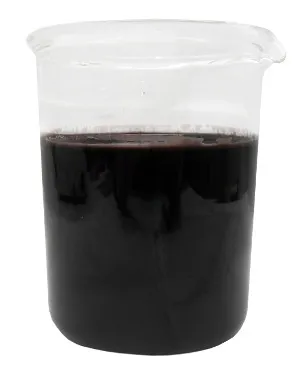
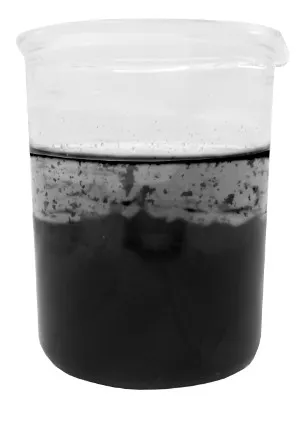
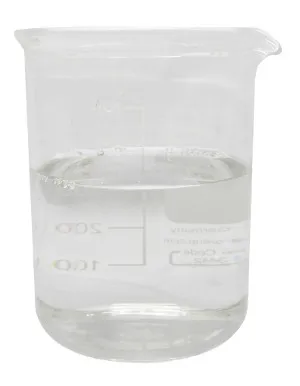
What remains is dewatered sludge, which is disposed of as waste, and clarified water, which, depending on the discharge permit, can be discharged into the sewer or reused.
Floculant flocculants
Which flocculant works depends on the constituents of your wastewater. That is why Floculant is not a one-size-fits-all product: there is a suitable formulation for every wastewater.
- High pollutant removal
- Reliably binds suspended solids, oils, and paint and glue residues
- Economical consumption
- Low dosing quantities per batch
- Special adsorption properties
- Contaminants attach to the floc and are separated with it
- Very good filterability and pressability
- The sludge is easy to dewater in a filter bag or chamber filter press
Send us a sample of your wastewater. We will analyse it free of charge, select the right agent and send you a sample quantity so that you can check the result on your own premises.
Request a free wastewater analysis More about flocculants
Which system suits your volume of wastewater?
For a few litres a week you do not need a system, and for several cubic metres a day you do not need manual work. The overview helps you narrow down the options; we work out the exact design together with you.
| Solution | Volume | Process |
|---|---|---|
| Manual treatment | small volumes | stir in a drum, filter via CES system or MGB 240 |
| CA10 wastewater treatment system | 10 litres per batch | stirrer, filtration through a disposable filter |
| Complete systems | 35 to 1,000 litres per batch | stirrer, around 10 minutes stirring time, bag filtration |
| Automatic and custom-built systems | as designed | pump, reactor, turbidity measurement, gravel filter, final pH check |
Manual wastewater treatment
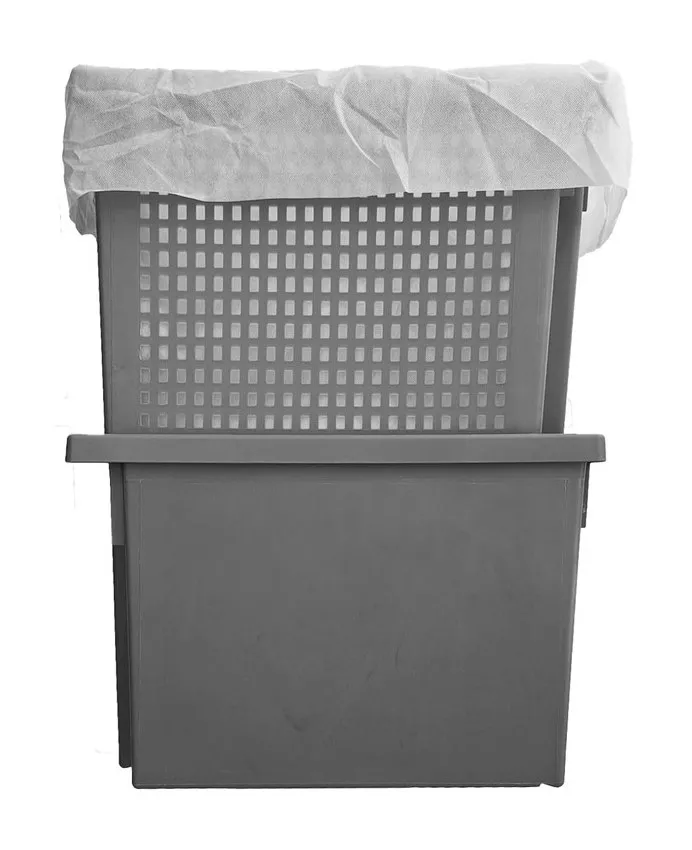
You can treat small volumes without a system: add Floculant to the drum, stir and pour the treated batch into a filter bag. The filter bag hangs either in the CES system, a filter basket on a collecting tank, or in an MGB 240, a 240-litre wheeled bin. With the MGB, you wheel the full filter bag straight to the disposal container.

The world’s smallest wastewater treatment system: CA10
The CA10 treats 10 litres per batch. It has an electric stirrer rated at 250 watts with up to 2,650 rpm; filtration takes place through a dewatering container with a waterproof disposable filter. Light and compact, it is also suitable for small workplaces.

Complete systems from 35 to 1,000 litres
Batch systems such as the CA-150 treat larger volumes in fixed batches. Operation remains simple:
- Fill the batch system with wastewater.
- Switch on the stirrer.
- Add the Floculant treatment agent.
- Leave to stir for around 10 minutes.
- Open the drain valve and dewater the treated batch via bag filtration.
Automatic and custom-built systems
For large volumes or difficult wastewater, the system operates independently: level-controlled pump, reactor, turbidity measurement, gravel filter and final pH check with printout. This includes emulsion splitting plants, neutralisation plants, gravel filter plants and polymer make-up stations. We design, supply and commission the system and support you with the discharge permit and acceptance inspection.
View all wastewater treatment systemsSludge dewatering reduces disposal costs
Wet sludge consists of up to 80 % water. Disposal is charged by weight, so you are mainly paying for water. Dewatering the sludge beforehand reduces weight and volume as well as transport and disposal costs. Sludge dewatering with the CES system is also more energy-efficient and often more economical than conventional processes.
We supply the right filter material for every system size:
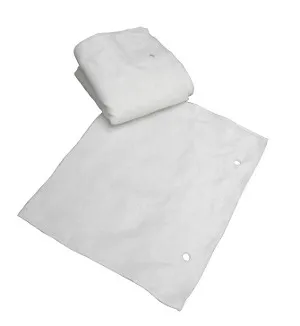
- Filter bags for the CES system, MGB 240 and batch systems, reusable and made to measure on request
- Big bags made of air-permeable PP fabric for large quantities of sludge
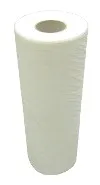
- Belt filter fleece for belt filter units, cut to size
- Filter cloths for the chamber filter press
-
-


Odour eliminator
Where wastewater stands, odours develop. Our biological odour eliminator effectively reduces odour emissions and permanently degrades organic residues in grease traps, drainage systems, sewage treatment plants and waste containers.
More about the odour eliminatorWastewater from painting and flow coating equipment
Rinse water from waterborne paints and glues is particularly easy to treat with the 3-phase system. What else we supply for spray, flow coating and paint recovery systems is shown on the Surface technology page.
Frequently asked questions about wastewater treatment
Which flocculant do I need?
That depends on the constituents of your wastewater. Send us a sample: the analysis is free of charge, and you will receive a sample quantity of the right Floculant to test.
How long does it take to treat a batch?
In the complete systems, the batch is stirred for around 10 minutes and then dewatered via the filter bag. In automatic systems, the flocs settle after about 15 minutes.
Can the clarified water be discharged into the sewer?
This is governed by your discharge permit and the limit values it sets. We design the process so that you can comply with these values, and we support you with the permit and acceptance inspection.
Is sludge dewatering worthwhile for small volumes too?
Yes. Because wet sludge contains up to 80 % water and disposal is charged by weight, even a filter bag in the CES system or in the MGB 240 noticeably reduces disposal costs.
What does the complete service include?
Advice and a free wastewater analysis, flocculants and filter material, the right system, commissioning, operator training, on-site service and support with the discharge permit and acceptance inspection. You have one contact person for all of this.